Proper nutrition is the foundation of your cat's health, energy, and longevity. Understanding what your feline friend needs can help you make informed decisions about their diet and ensure they live a long, healthy life.
Essential Nutrients for Cats
Protein: The Foundation of Cat Nutrition
Cats are obligate carnivores, which means they require animal-based protein to thrive. Unlike dogs or humans, cats cannot synthesize certain amino acids on their own and must obtain them from their diet.
Key amino acids cats need:
- Taurine: Essential for heart health, vision, and reproduction
- Arginine: Critical for removing ammonia from the body
- Methionine: Important for healthy skin and coat
High-quality animal proteins from chicken, fish, beef, or turkey should be the primary ingredient in your cat's food.
Fats and Fatty Acids
Fats provide concentrated energy and help cats absorb fat-soluble vitamins (A, D, E, and K). They also contribute to healthy skin and a shiny coat.
Important fatty acids:
- Omega-3 (EPA and DHA): Supports brain development, reduces inflammation
- Omega-6 (Linoleic acid): Promotes healthy skin and coat
- Arachidonic acid: Essential fatty acid cats cannot produce themselves
Vitamins and Minerals
Cats need a balanced mix of vitamins and minerals for various bodily functions:
- Vitamin A: Vision, immune function, skin health
- Vitamin D: Calcium absorption, bone health
- Vitamin E: Antioxidant protection
- B-complex vitamins: Energy metabolism, nervous system function
- Calcium & Phosphorus: Bone and teeth development
- Magnesium: Enzyme function, muscle health
How to Read Cat Food Labels
Understanding cat food labels helps you choose quality nutrition for your cat.
What to look for:
-
Ingredient order matters: Ingredients are listed by weight. Look for named animal proteins (chicken, salmon) in the first few ingredients.
-
Protein sources: Avoid vague terms like "meat by-products" or "animal digest." Look for specific sources like "chicken meal" or "salmon."
-
Avoid excessive fillers: Corn, wheat, and soy are common fillers that provide little nutritional value for cats.
-
AAFCO statement: Look for "complete and balanced" certification from the Association of American Feed Control Officials (AAFCO).
-
Life stage appropriateness: Ensure the food matches your cat's age (kitten, adult, senior).
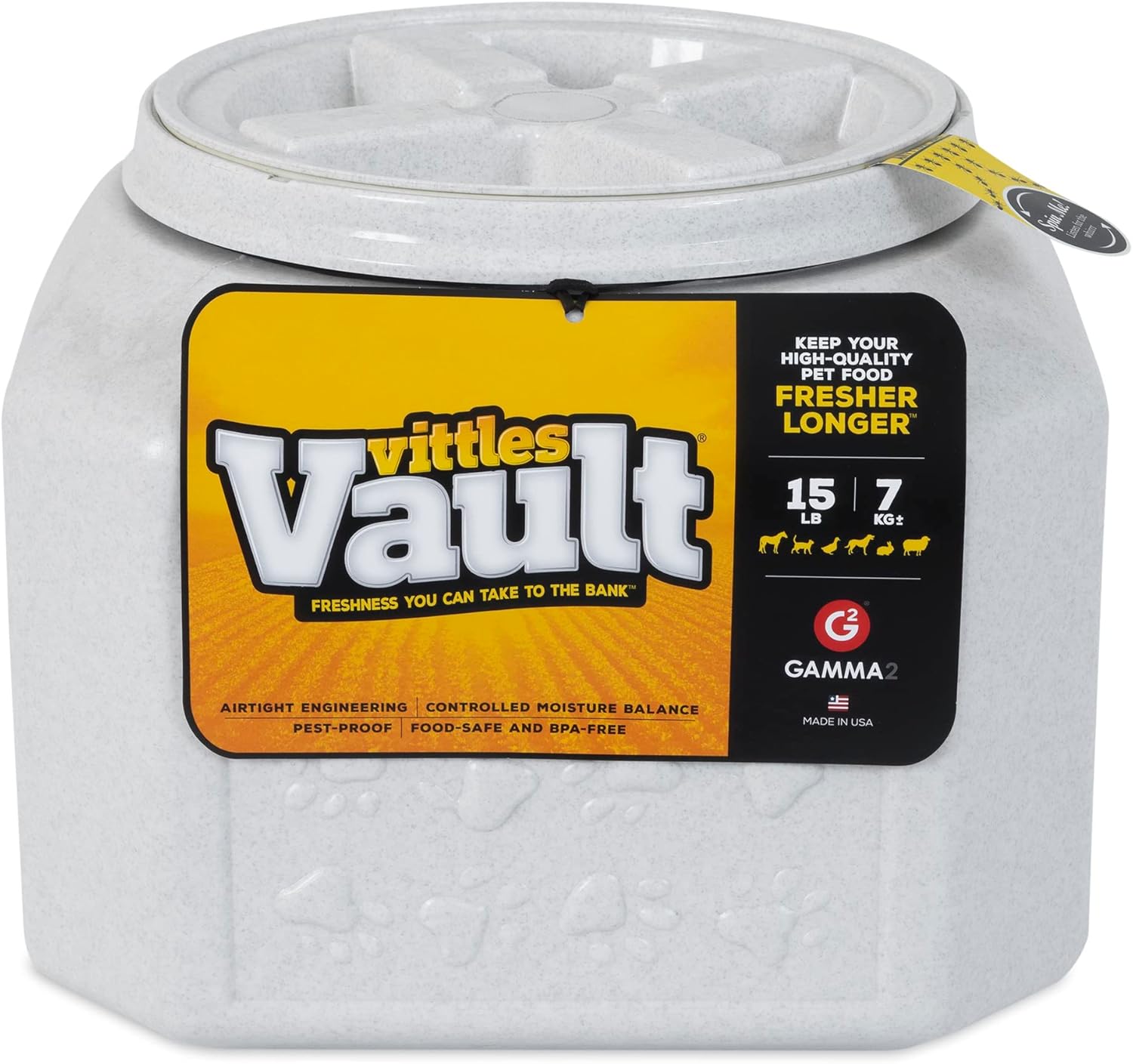
Vittles Vault Airtight Pet Food Storage Container
Stackable, airtight container that keeps dry food fresh for months. Gamma seal lid creates an airtight barrier against moisture and pests. BPA-free food-grade plastic. Holds up to 40 lbs of dry cat food. Includes measuring scoop.
View on Amazon →Wet Food vs. Dry Food
Both wet and dry food have advantages and drawbacks.
Wet Food Benefits:
- Higher moisture content (helps with hydration)
- More palatable for picky eaters
- Lower carbohydrate content
- Easier for cats with dental issues
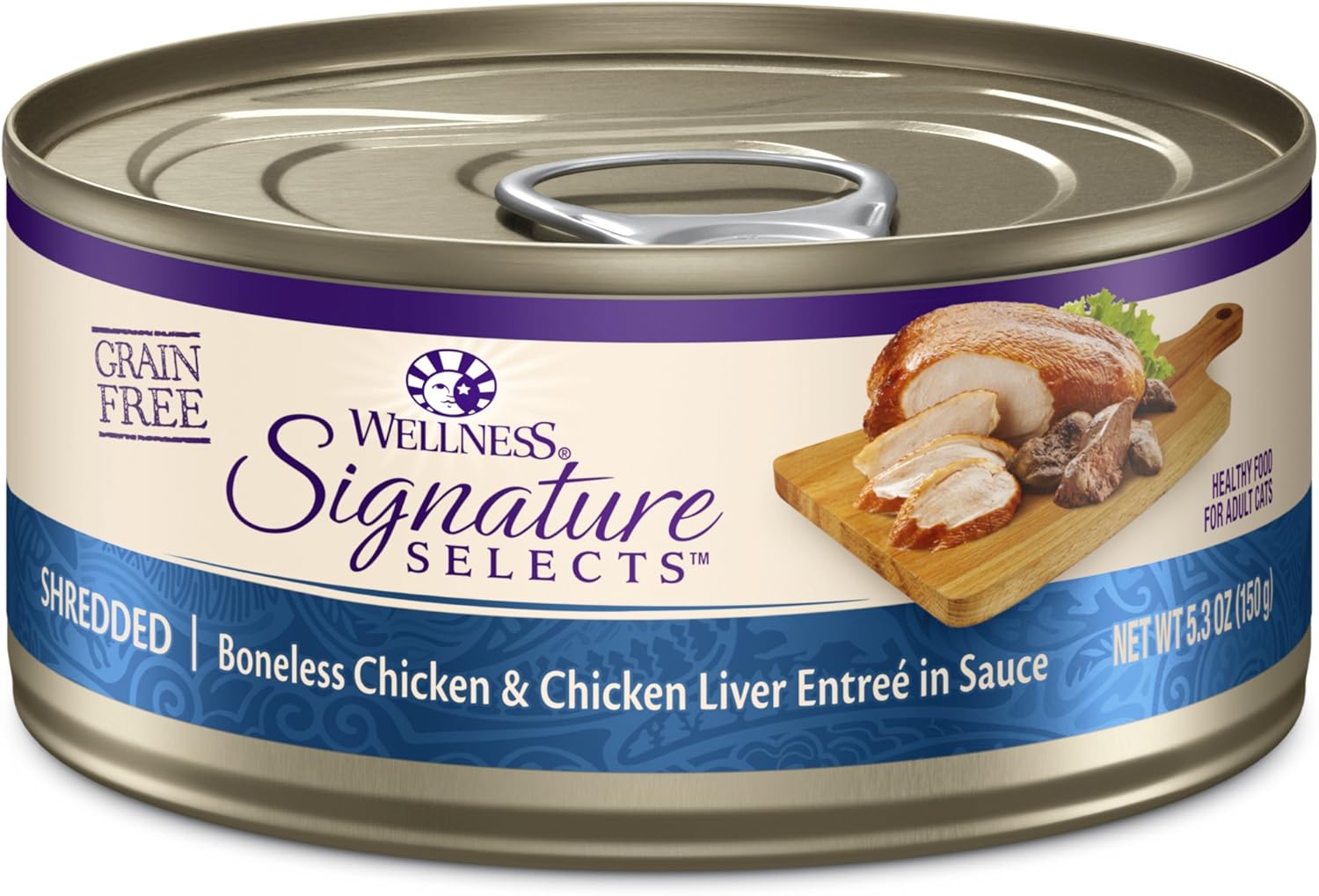
Wellness CORE Grain-Free Pate Wet Cat Food
High-protein, grain-free pate made with real turkey and chicken. Rich in omega fatty acids for healthy skin and coat, plus taurine for heart health. Perfect for cats who need extra moisture in their diet.
View on Amazon →Dry Food Benefits:
- More convenient and less messy
- Longer shelf life once opened
- Can help with dental health (minimal effect)
- More economical
Best approach: Many veterinarians recommend a combination of both wet and dry food to balance the benefits.
Feeding Guidelines by Life Stage
Kittens (0-12 months)
Growing kittens need:
- High-calorie, protein-rich food
- Frequent meals (3-4 times daily)
- Kitten-specific formulas with DHA for brain development
- Gradual transition to adult food around 12 months
Adult Cats (1-7 years)
Mature cats require:
- Balanced maintenance nutrition
- 2 meals per day
- Portion control to prevent obesity
- Adjustment based on activity level
Senior Cats (7+ years)
Aging cats benefit from:
- Easily digestible proteins
- Joint support supplements (glucosamine, chondroitin)
- Lower calorie content if less active
- Increased moisture to support kidney function
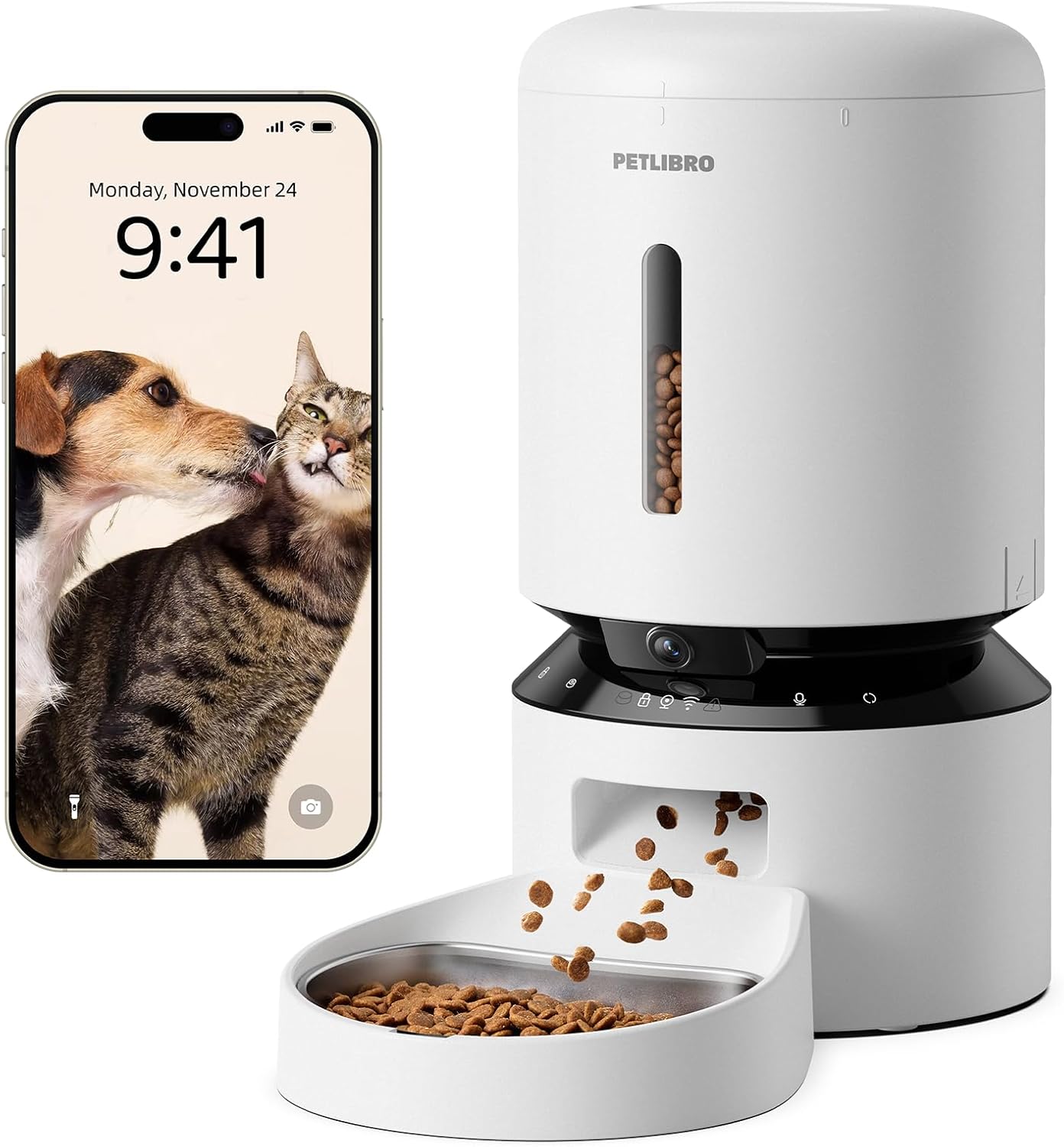
PETLIBRO Automatic Cat Feeder with Camera
Smart feeder with 1080p camera and app control. Schedule up to 10 meals per day with precise portion control (1-50 portions). Includes voice recording to call your cat at meal times. Dual power supply ensures your cat never misses a meal.
View on Amazon →Common Feeding Mistakes to Avoid
-
Overfeeding: Obesity is a major health issue in cats. Follow feeding guidelines and adjust based on your cat's body condition.
-
Free-feeding: Leaving food out all day can lead to overeating. Scheduled meals help control portions.
-
Feeding dog food: Dog food lacks essential nutrients cats need, particularly taurine.
-
Not providing fresh water: Cats need constant access to clean, fresh water, especially if eating dry food.
-
Sudden diet changes: Abrupt food changes can cause digestive upset. Transition gradually over 7-10 days.
Special Dietary Considerations
Some cats have unique nutritional needs:
-
Food allergies: Common allergens include beef, dairy, and fish. Limited ingredient diets can help identify triggers.
-
Sensitive stomachs: Easily digestible proteins and prebiotics can help.
-
Urinary health: Special formulas can help prevent crystals and stones.
-
Weight management: Low-calorie, high-protein foods support healthy weight loss.
When to consult a veterinarian: If your cat shows signs of food intolerance, unexplained weight changes, or chronic digestive issues, seek professional guidance.
Conclusion
Proper nutrition is one of the most important aspects of cat care. By understanding your cat's nutritional needs, reading labels carefully, and choosing high-quality food appropriate for their life stage, you're setting them up for a long, healthy, and happy life.
Remember, every cat is unique. What works for one may not work for another. Pay attention to your cat's body condition, energy levels, and overall health, and don't hesitate to consult your veterinarian for personalized nutrition advice.
Affiliate Disclosure: This post contains affiliate links. If you purchase through these links, we may earn a small commission at no additional cost to you. We only recommend products we genuinely trust and believe will benefit your cats.